Growing cannabis indoors gives Washington cultivators something outdoor farming can’t offer: control. But that control comes with a catch. Indoor grow rooms depend entirely on mechanical systems to maintain the temperature, humidity, and airflow that plants need at every stage of growth. When those systems can’t keep up, the whole operation feels it. But Cultiva Systems can help. We build HVAC solutions specifically for commercial indoor cultivation, engineered to hold steady conditions across demanding grow environments. If you’re running a Washington Indoor Agriculture operation and need HVAC that actually fits how your facility works, call Cultiva Systems at 623-556-7598 or email [email protected].
Keeping Growing Conditions Consistent from Room to Room
A commercial cannabis facility isn’t one environment. It’s several, each with its own rules:
- Propagation rooms need warmth and high humidity to help clones root
- Vegetative rooms call for different temperature and moisture levels to support fast leafy growth
- Flowering rooms need conditions to support bud development without inviting mold or stress
What works in one room can work against you in the next. Running several rooms under one roof means maintaining several environments at once, without allowing any room to drift into the others. Washington Indoor Agriculture facilities with multiple grow rooms need equipment that treats each space on its own terms.
That’s why HVAC systems designed specifically for cultivation are so essential; they give growers room-level control, so every stage of the plant’s life gets the environment it actually needs.
What Your HVAC System Has to Handle During Daily Production
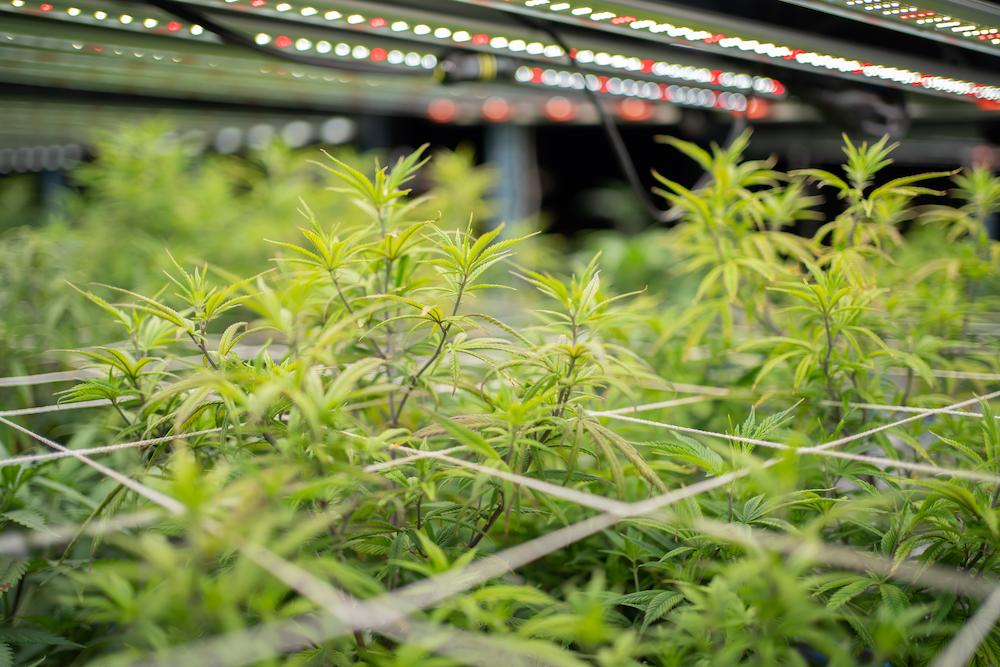 Every grow room generates heat and moisture just by running. In Washington Indoor Agriculture facilities, the HVAC system’s job is staying ahead of that output day after day. That output comes from several sources at once:
- High-intensity grow lighting that give off substantial heat, especially in flowering rooms running full-spectrum fixtures for hours at a stretch
- Irrigation and plant transpiration add moisture to the air around the clock
- Fans, dehumidifiers, CO2 systems, and other equipment inside the grow space contribute additional heat
- More plants packed into a room means more heat and more moisture concentrated in the same space
- Lights-on and lights-off periods shift these loads on a schedule, so the system has to adjust rather than hold one setting
These loads don’t arrive one at a time. They stack throughout the day and shift again as plants move through their growth cycle, so the HVAC system is rarely working toward a fixed target.
Planning HVAC for New and Expanding Washington Indoor Agriculture Facilities
HVAC planning works best when it’s part of the process from the start rather than an adjustment made after the fact. That means figuring out expected cultivation demand, sizing equipment to match it, and taking stock of the mechanical and installation space you have to work with. It also means planning around how many grow rooms you’ll have plus their size and configuration, with room left for future growth.
The details look different depending on where you’re starting. A new Washington Indoor Agriculture facility gives you the freedom to design the whole layout around HVAC needs from day one. An expansion means working within an existing footprint and figuring out how new capacity fits alongside what’s already in place. Either way, involving cultivation HVAC specialists early makes it far easier to design a system around the facility itself, rather than adapting conventional equipment to a grow operation it wasn’t built for.
Reducing Environmental Swings That Put Crops at Risk
When HVAC equipment can’t keep pace with the demands of a grow room, the results show up fast. For Washington Indoor Agriculture facilities, an underperforming system puts the crop itself at risk in several ways:
- Temperatures drift outside the ranges plants need to grow properly
- Humidity spikes, creating conditions that favor mold and mildew
- Conditions become harder to hold steady during lights-off periods, when the room’s heat and moisture balance shifts
- Environmental swings show up during peak demand, when the system is working hardest to keep up
- Conditions grow inconsistent overall, making it harder for growers to maintain the environment they’ve worked to establish
HVAC equipment created specifically for cannabis cultivation is built to hold environmental targets steady even as conditions inside the facility change. That reliability is what keeps a grow on track from one stage to the next.