Growing cannabis indoors in Washington means fighting the climate inside your facility just as hard as you fight for compliance outside of it. Plants release moisture around the clock, grow lights throw off constant heat, and humidity swings can turn a healthy room into a mold problem within days. A standard commercial HVAC system was never built for that kind of load. It wasn’t designed to track plant transpiration, manage rapid temperature shifts between light cycles, or hold steady through every stage of growth. That’s where Cultiva Systems can help. We build Washington Grow Room HVAC systems specifically for cannabis cultivation, not general office or retail space.
Our equipment is engineered to handle the heat recovery, dehumidification, and airflow demands that grow rooms actually produce, so your environment stays consistent and your plants stay healthy. If you’re a commercial grower in Washington looking for environmental control you can rely on, call us at 623-556-7598 or email [email protected]. We’ll walk you through what a properly designed system looks like for your facility.
Why Cannabis Grow Rooms Require Specialized HVAC
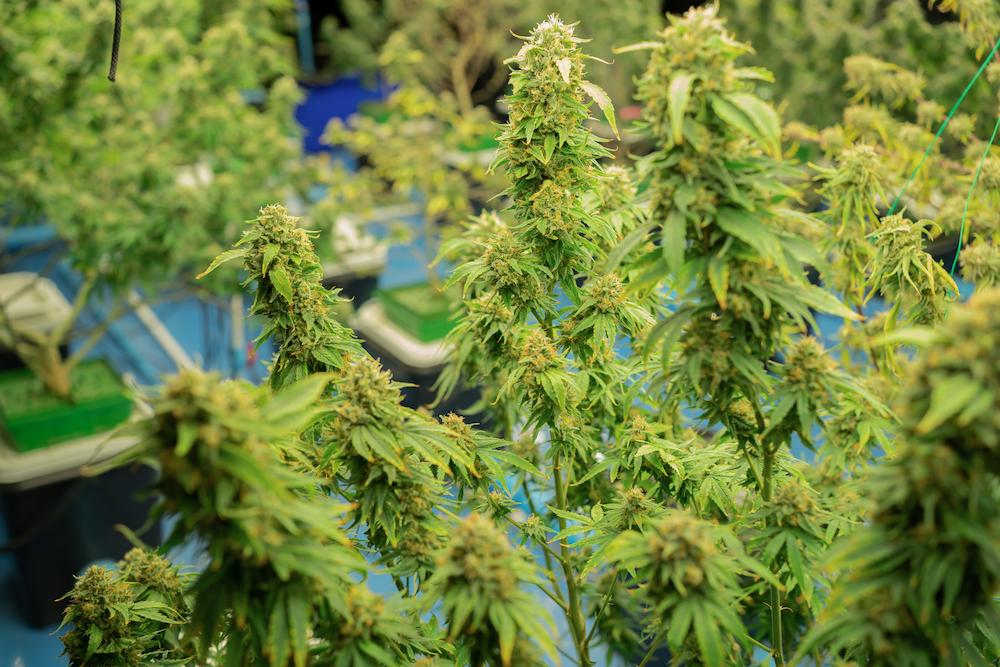 Cannabis plants put off a tremendous amount of moisture through transpiration, especially during the vegetative and flowering stages. Add in the heat generated by high-intensity grow lights, and you’ve got a room that behaves nothing like a typical office or warehouse space. Standard HVAC units are built around steady, predictable loads. Grow rooms are the opposite. Humidity and heat can spike fast, and the system has to respond just as fast or you’ll start seeing problems.
When airflow or moisture control falls short, the results show up quickly: mold on leaves, mildew in the canopy, and yields that drop because plants are stressed instead of thriving. This is why a purpose-built Washington Grow Room HVAC system isn’t a luxury upgrade. It’s the baseline requirement for running a commercial operation that produces consistent, sellable product. Cultivation at scale depends on equipment that was designed for this exact environment from the start.
Key Components of Effective Washington Grow Room HVAC
A grow room HVAC system isn’t one piece of equipment doing all the work. It’s several components functioning together to keep temperature, humidity, and air quality balanced across every stage of the grow cycle. Here’s what that typically includes:
- Precise temperature control. Different growth phases call for different temperature ranges, and the system needs to adjust without lag as plants move through each stage.
- Humidity management and dehumidification. Reliable dehumidification keeps moisture levels where they need to be, even when transpiration rates climb during flowering.
- Air circulation and distribution. Even airflow across the canopy prevents hot spots and stagnant air, both of which invite mold and uneven growth.
- Filtration and odor control. Clean air supports plant health, and proper odor control keeps your facility compliant with local nuisance and air quality expectations.
- Integration with lighting and irrigation. A system that communicates with your lighting and irrigation setup responds to changing conditions instead of reacting after the fact.
Every one of these pieces affects plant performance directly. A well-designed Washington Grow Room HVAC system ties them together instead of treating them as separate problems.
Designing for Washington’s Climate and Regulations
Washington’s climate brings its own set of challenges to indoor cultivation. Cooler outdoor temperatures for much of the year, seasonal moisture from coastal weather patterns, and regional differences between areas like the Puget Sound and eastern Washington all affect how a grow room behaves indoors. A system designed for a hot, dry climate won’t perform the same way here, and growers who install generic HVAC equipment often find themselves fighting humidity problems that a properly calibrated system would have prevented.
Regulatory expectations add another layer. Washington’s commercial cannabis rules touch on energy usage and air quality standards that influence how a system should be built and operated. A facility that’s compliant on paper but inefficient in practice will cost more to run and may still fall short of expectations over time. The right Washington Grow Room HVAC setup accounts for both the building and the region it sits in, so the system performs the way it’s supposed to in the conditions growers actually face here.