If you operate a commercial cannabis facility in Vermont, you already know how quickly heat can build inside a sealed grow room. High-intensity lighting, irrigation cycles, and densely packed canopy space generate more warmth than many operators anticipate. Add seasonal heat spikes and fluctuating outdoor conditions, and maintaining consistent canopy temperatures becomes a daily priority. Vermont Grow Room Cooling is not simply about lowering the thermostat. It’s about managing internal heat loads so your plants stay within their ideal range throughout every growth stage.
Cultiva Systems specializes in commercial cannabis climate control, helping Vermont operators create cooling strategies built around real cultivation demands. If you’d like to discuss your grow room cooling needs with us, call 623-556-7598 or email [email protected] to connect with our team.
Common Cooling Challenges Vermont Grow Rooms Face
Cooling problems rarely show up as a single dramatic failure. More often, they appear as patterns growers start noticing during daily operations. Here are some of the most common cooling-related issues Vermont grow rooms run into:
- Temperature Spikes During Lights-On Cycles: The moment high-intensity lights power up, room temperatures can climb quickly. If cooling capacity is tight or airflow is uneven, those spikes may push canopy temperatures higher than intended before the system can stabilize.
- Hot Spots Within the Canopy: Even when average room temperature looks acceptable, certain zones may run warmer than others. Dense plant spacing and poor air circulation can create pockets of trapped heat that affect development and consistency.
- Extended Equipment Runtime: Cooling systems that run nearly nonstop often signal that internal heat loads are outpacing removal capacity. This increases wear on equipment and can lead to performance instability over time.
- Heat Retention Inside Tightly Sealed Facilities: Many Vermont grow rooms are built to handle winter conditions, which means strong insulation and tight building envelopes. During active grow cycles, that same insulation can hold internal heat longer than expected.
How We Engineer Systems for Vermont Grow Room Cooling
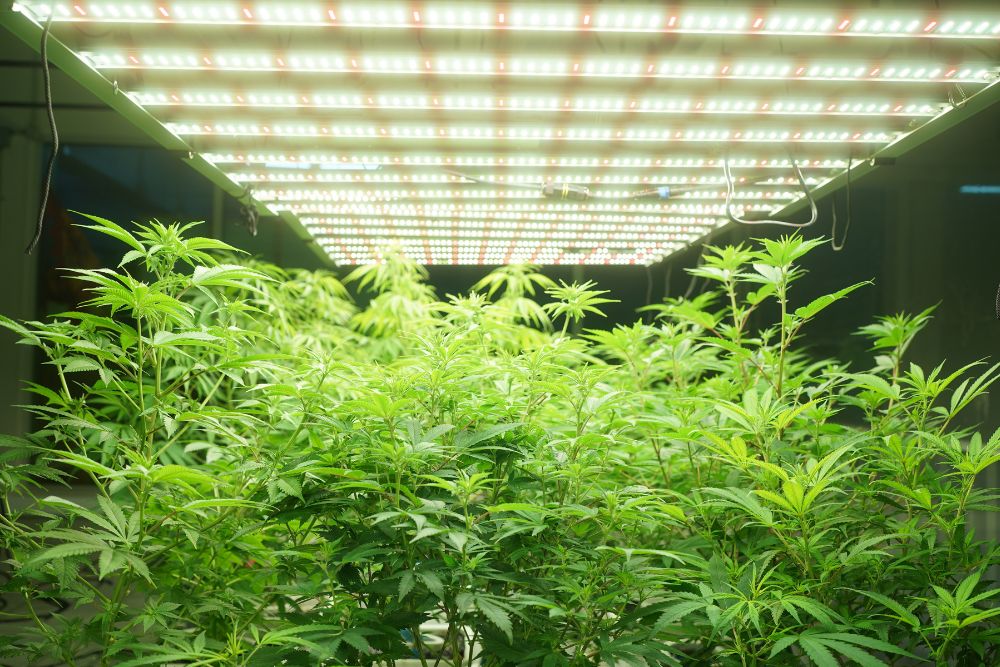 At Cultiva Systems, we approach cooling with one goal: stable canopy temperatures under real operating conditions. Instead of reacting to temperature swings after they happen, we design systems that anticipate them. We account for lights-on heat surges, room cycling patterns, and the way insulated Vermont facilities retain warmth once it builds.
Our team focuses on airflow strategy and equipment responsiveness. We position supply and return air to prevent mid-canopy heat pockets and ensure cooling reaches the areas where plants are most vulnerable. Equipment is selected and staged to manage peak demand without running continuously, which protects system lifespan and reduces operational strain.
We also fine-tune how cooling responds throughout the day so adjustments are gradual rather than abrupt. That stability keeps plant stress low and helps maintain consistent development from veg through flower. The result is a cooling system built around performance, not guesswork.
FAQs About Grow Room Cooling
Does Vermont’s cold climate reduce cooling requirements?
Not necessarily. Even during colder months, internal heat from lighting, equipment, and plant activity continues to build inside a sealed grow room. In many Vermont facilities, insulation designed for winter performance actually holds that heat in, making active cooling necessary year-round.
Can I use standard commercial AC for my commercial grow room?
Standard commercial air conditioning systems are designed for comfort cooling, not high-density cultivation environments. Grow rooms generate concentrated, continuous heat loads that often exceed what typical commercial AC units are built to handle. Without proper sizing and airflow planning, performance will become inconsistent.
What are some signs that my grow room AC isn’t performing?
If your current Vermont Grow Room Cooling system isn’t working well enough, you might notice some of the following signs:
- Difficulty maintaining target temperatures
- Certain zones consistently running warmer than others
- Large temperature differences between canopy level and ceiling level
- Slow recovery after doors open or after irrigation events
- Short cycling (units turning on and off frequently)
How much cooling capacity does a Vermont grow room need?
Cooling capacity depends on lighting intensity, plant density, room layout, and operational schedule. Every facility is different, which is why accurate evaluation is essential before selecting equipment.
What happens if my cooling system is undersized?
When cooling capacity falls short, plants are usually the first to show it. You may see slowed growth, thinner stems, or leaf edges that curl upward in response to heat stress. Flower development can become inconsistent and terpene expression may decline if temperatures drift too high for extended periods. Over time, repeated heat stress weakens plant resilience, making crops more vulnerable to pests, disease, and environmental fluctuations.