Arizona isn’t a forgiving environment for cannabis production. Summer temperatures regularly exceed 110°F, ambient humidity often drops below 10%, and the swing between day and night conditions can be dramatic enough to destabilize a grow room that isn’t properly controlled. For commercial cultivators, that means environmental precision isn’t optional, it’s the foundation of a viable Arizona Indoor Agriculture operation.
Cultiva Systems designs HVAC systems specifically for cannabis cultivation facilities. Not general commercial buildings, not retrofitted warehouse systems, but equipment and configurations built around the actual demands of indoor growing. If you’re planning or operating an Arizona Indoor Agriculture facility, we’d like to talk. Call us at 623-556-7598 or email [email protected] to get started.
Why Climate Changes How Arizona Indoor Agriculture Facilities Are Designed
Arizona’s climate creates design challenges that growers in other states simply don’t face at the same scale. Every major environmental variable ( heat, humidity, energy load) is pushed to an extreme here, and your HVAC system has to account for all of them from day one. With Arizona indoor agriculture, you can’t rely on a one-size solution. Here’s why:
Extreme Summer Heat and Cooling Loads
When outdoor temperatures stay above 100°F for weeks at a time, your facility’s cooling load compounds quickly. Lighting heat, plant transpiration, and equipment heat all stack on top of an already brutal ambient condition. Undersized or poorly designed systems simply can’t keep up, and the result is temperature drift that stresses plants and disrupts growth cycles.
Low Ambient Humidity and Moisture Control
Most HVAC systems are designed for environments where some ambient humidity exists. In Arizona, you often start near zero. Maintaining the vapor pressure deficit (VPD) range that cannabis plants need throughout their growth stages requires active humidity management, not passive compensation.
Seasonal Temperature Swings
Arizona winter temperatures can drop significantly below summer peaks, which means a system sized purely for July cooling may underperform in January. Effective system design accounts for the full range of operating conditions across the year, not just the worst-case scenario.
Energy Costs and Peak Demand
Running high-capacity HVAC during Arizona summers is expensive. Peak demand charges from utilities can significantly affect operating margins. System design should incorporate efficiency strategies that reduce grid draw during the hours when it costs the most.
What’s at Stake When the Environment Isn’t Right
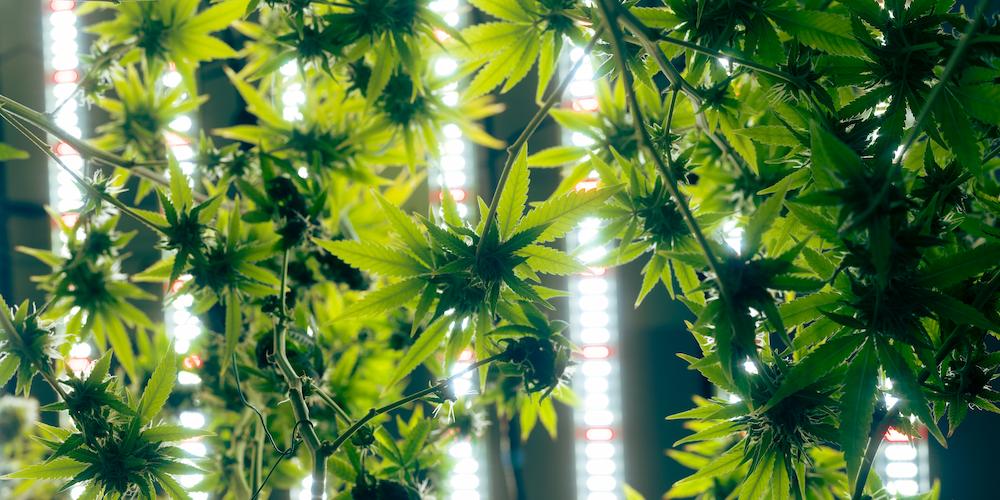 Arizona Indoor Agriculture facilities don’t fail all at once. They fail gradually: a humidity spike during late flower that opens the door to botrytis, a temperature differential across the canopy that produces uneven development, an odor complaint that triggers a compliance review. By the time the problem is visible, the damage is already done.
Here’s where that damage tends to show up first:
Crop Loss and Mold Risk
Late flower is the highest-value, highest-risk stage of a cannabis grow. Moisture builds faster than most operators expect — even in a state as dry as Arizona — and when dehumidification can’t keep up, the result is lost product at the worst possible time in the production cycle.
Inconsistent Yields and Growth Cycles
When temperature and humidity vary across a room or shift unpredictably between lights-on and lights-off, plants don’t develop uniformly. Some finish ahead of schedule, some behind. Harvest windows get complicated, labor costs go up, and the consistency that buyers and dispensaries expect becomes harder to deliver.
Compliance Exposure
Commercial cannabis operations in Arizona are subject to odor control requirements, and inspectors take note of what neighbors already noticed. Airflow infrastructure that isn’t designed with compliance in mind tends to become a problem at the worst possible moment: during an inspection, or after a complaint.
We Design HVAC Systems Around Your Arizona Indoor Agriculture Facility
No two cannabis facilities are identical. Room configurations, lighting choices, irrigation schedules, and production targets all vary and each of those variables affects how an HVAC system needs to be sized and configured. A system pulled from a standard template and dropped into your Arizona Indoor Agriculture facility is unlikely to perform the way your operation actually requires.
Cultiva Systems approaches each project by understanding the facility first. That means working through your layout, your equipment, and your production goals before any equipment is specified. It also means thinking ahead and designing a system that can scale with your operation rather than one that becomes a bottleneck the moment you expand.
System design should account for variables such as:
- Facility size and room configuration: square footage, ceiling height, room segmentation, and airflow zones
- Lighting type and heat output: HPS, LED, and hybrid lighting each carry different thermal loads
- Irrigation practices and latent load: irrigation frequency and method directly affect how much moisture your system must remove
- Expansion plans and scalability: Indoor agriculture operations that plan to grow benefit from infrastructure that doesn’t have to be rebuilt from scratch