Colorado has one of the most established and competitive cannabis markets in the country. Operators here have been navigating licensing requirements, evolving regulations, and rising consumer expectations for years, and the bar keeps climbing. Staying profitable in that environment means more than growing good cannabis. It means running a Colorado Indoor Agriculture facility where environmental conditions are precise, systems are reliable, and every square foot is working for you.
Cultiva Systems designs HVAC solutions specifically for commercial cannabis facilities. We understand what Colorado agriculture demands, and we build systems that support compliance, consistency, and long-term operational performance. If you’re planning a new facility or looking to improve an existing one, we’d love to help. Call us at 623-556-7598 or email [email protected] to start the conversation.
What Commercial Cannabis Operators Face in Colorado Indoor Agriculture
The Colorado cannabis market rewards efficiency and punishes waste. Margins have compressed as competition has grown, and operators who relied on favorable conditions a few years ago are now being forced to run tighter, more disciplined operations.
That pressure shows up across every part of the business. Regulatory documentation has become more detailed. Inspectors expect consistency, not just compliance on paper. Retail buyers and consumers alike have higher expectations for product quality, and maintaining that quality at scale is genuinely difficult.
Environmental control sits at the center of these challenges. Temperature, humidity, airflow, and CO2 levels directly affect plant development, yield consistency, and the risk of crop loss. In Colorado agriculture, mechanical systems have to do more than maintain a target temperature. They need to support regulatory predictability, reduce variability from room to room, and deliver measurable performance across the full production cycle.
Why Colorado’s Altitude Demands a Different Mechanical Approach
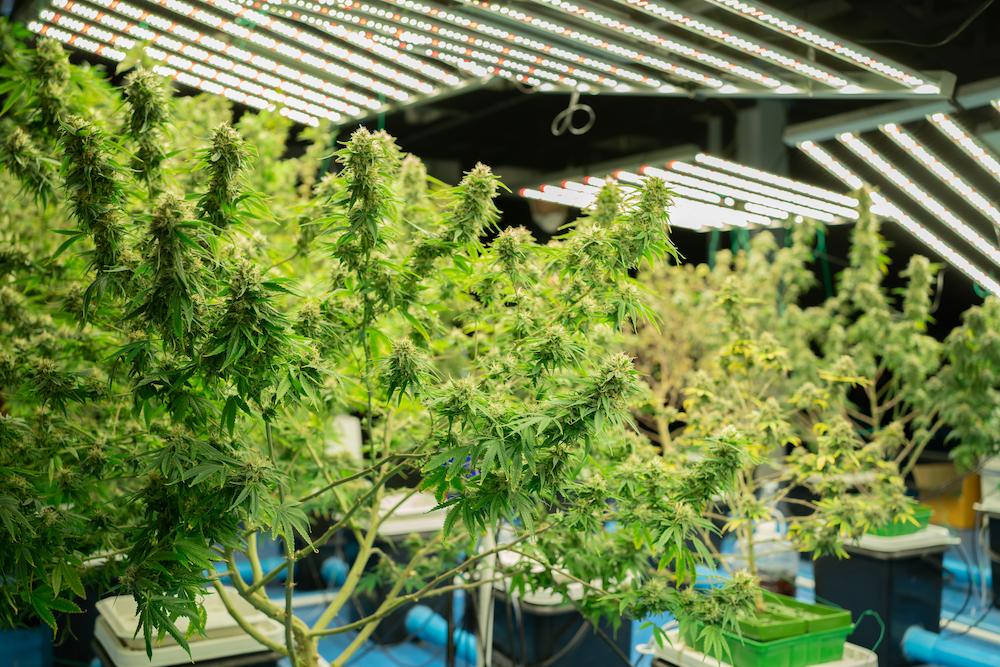 Most commercial HVAC equipment is specified and tested at or near sea level. Colorado cultivation facilities operate in a different physical environment, and that difference has real consequences for system performance, environmental stability, and plant outcomes. Three specific factors require attention at the design stage:
Equipment Performance at Elevation
Colorado’s elevation affects how HVAC equipment performs in ways that standard system specifications don’t account for. At higher altitudes, reduced air density means cooling systems move less heat per unit of airflow. Equipment that’s rated for sea-level performance will underperform here, sometimes significantly. Proper system sizing for Colorado agriculture facilities requires adjustments based on actual site elevation, not catalog defaults.
Day-to-Night Temperature Variability
Colorado’s climate creates wide temperature swings between day and night, particularly in shoulder seasons. Without systems engineered to handle that variability, indoor agriculture environments become unstable. Grow rooms that fluctuate outside their target range produce inconsistent results, stress plants during critical development windows, and make it harder to achieve reliable harvest cycles. Mechanical systems need to respond quickly and hold setpoints tightly regardless of what is happening outside.
CO2 Distribution at Altitude
Thinner air at elevation changes how CO2 moves through a space. Enrichment strategies that work well at lower altitudes may produce uneven distribution in Colorado agriculture facilities. Airflow patterns need to be designed with this in mind so that plants across the entire canopy receive consistent CO2 exposure. Poor distribution leads to uneven growth, which affects both yield and product uniformity.
Energy Planning and Operational Efficiency in Colorado Agriculture
Energy is one of the largest ongoing operating expenses in commercial cannabis production. Lighting, HVAC, dehumidification, and supplemental systems run continuously, and utility bills can represent a significant portion of total overhead. Operators who don’t plan their mechanical infrastructure with energy in mind often find that costs are difficult to control once the facility is built. Energy strategy in Colorado commercial cannabis facilities should account for:
- Utility rate structures and demand charges
- Balancing lighting loads with HVAC performance
- Heat recovery and reuse opportunities
- Designing systems that reduce long-term operational strain
Smarter HVAC design does more than reduce your monthly utility bill. It also improves margin structure, reduces equipment wear, and makes the facility more resilient over time. In Colorado agriculture, where operating costs are already high and margins are under pressure, that kind of planning has a real and lasting impact on profitability.