If you’re planning, building, or upgrading a commercial cannabis facility in Vermont, your HVAC system deserves careful attention from the start. Vermont’s long winters, humid summers, and wide seasonal temperature swings create real challenges inside a grow room. Stable yields depend on tight control of temperature, humidity, and airflow, even when conditions outside shift dramatically. That is where thoughtful Vermont Commercial Grow Room HVAC Design makes a difference.
A properly engineered system supports plant health, protects your investment, and helps you stay aligned with operational and regulatory expectations.
Cultiva Systems focuses exclusively on cannabis-specific HVAC design, not general systems retrofitted for cultivation. If you’re ready to talk through your project, call 623-556-7598 or email [email protected] to discuss your HVAC needs.
Why Your Vermont Commercial Grow Room Needs a Specialized HVAC System
Operating a commercial grow in Vermont means designing around extremes. In winter, outside air is frigid and dry, which increases heating demand and creates condensation risks where warm, humid grow room air meets cold surfaces. In summer, humidity levels climb and temperatures rise, placing heavy demand on cooling and dehumidification equipment. These seasonal swings are not minor adjustments. They directly affect how your HVAC system must be engineered.
Without a system designed specifically for these conditions, problems build quickly. Inconsistent temperature and humidity can slow growth, reduce yields, and create an environment where mold and mildew take hold. Poor airflow leads to microclimates within the canopy. Equipment that is not sized correctly runs constantly, wears down faster, and drives up operating costs.
That is why Vermont Commercial Grow Room HVAC Design must account for the building envelope, insulation levels, vapor barriers, and shifting seasonal loads from the beginning. A system built around real cultivation demands performs differently than one adapted from standard commercial applications.
What Goes Into Vermont Commercial Grow Room HVAC Design
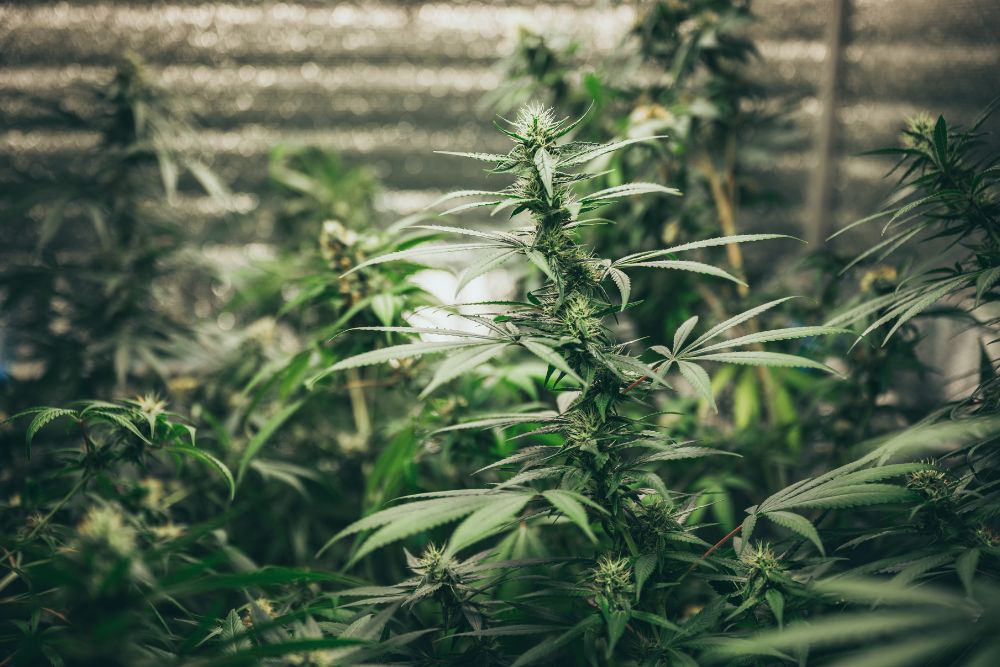 A well-designed system starts with understanding your facility’s actual heat and moisture loads. That means calculating how much heat your lighting produces, how densely your plants are spaced, how much moisture irrigation adds to the room, and even how many people move through the space each day. These factors directly affect temperature stability and humidity control. Thoughtful Vermont Commercial Grow Room HVAC Design begins with real numbers, not equipment assumptions.
From there, the focus shifts to moisture management and airflow. Dehumidification must be planned around plant transpiration rates and growth stages, not treated as an afterthought. Air distribution needs to move evenly through the canopy to prevent hot spots and stagnant pockets where mold can develop. The HVAC system also has to integrate with environmental controls so temperature, humidity, and ventilation work together instead of competing with each other.
Retrofitting a residential or light commercial system rarely delivers this level of control. Those systems are built for comfort, not continuous high-load cultivation. In a Vermont commercial grow room, that mismatch often leads to instability, higher operating costs, and equipment that struggles to keep up.
5 Reasons Vermont Commercial Grow Rooms Trust Us for HVAC Design
Choosing the right HVAC partner affects more than airflow. It shapes how your facility performs day after day. Here are five reasons Vermont commercial rooms turn to Cultiva Systems for HVAC design.
- Cannabis-Focused Engineering
We design specifically for commercial cannabis cultivation. Our work is centered on the environmental demands of grow rooms, not adapted from office buildings or retail spaces. That focus changes how HVAC systems are planned, sized, and integrated from the beginning. - Region-Specific Design Experience
Vermont facilities face different building and seasonal pressures than operations in warmer climates. We account for cold-weather construction details, moisture control within insulated envelopes, and performance across shifting seasonal conditions. - HVAC Systems Designed for Operational Stability
Consistency matters in commercial cannabis cultivation. Our HVAC designs prioritize steady environmental control to support predictable growth cycles and reduce the risk of disruptions that affect harvest timelines. - Long-Term Cost Awareness
A well-designed system considers more than upfront equipment pricing. We look at energy usage, service access, and expansion potential so your HVAC design supports sustainable operating costs over time. - A Collaborative Project Approach
We work closely with owners, builders, engineers, and cultivation teams. That collaboration keeps the HVAC design aligned with your layout, production goals, and construction schedule from start to finish.